Homestar Font: A Jolly, Down-to-Earth Typeface for Crafters
If you’ve been searching for a display font that feels both playful and practical, Homestar might be exactly what your craft table needs. It’s a cool, quirky typeface that brings a genuine smile to every project—without ever feeling overdone. As someone who spends hours designing labels, stickers, invitations, and printable wall art, I know how hard it can be to find a font that balances trendiness with real readability. Homestar lands right in that sweet spot. It’s down-to-earth, jolly, and ready to make your designs come alive.
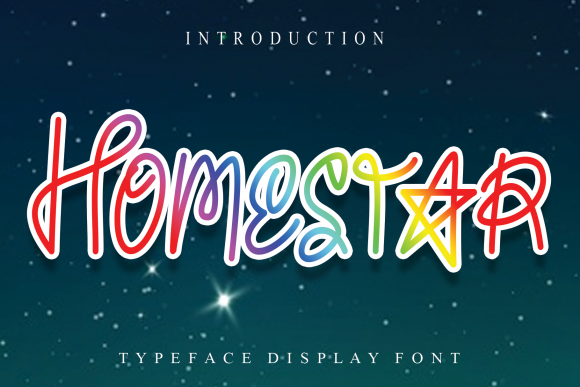
From the very first glance, you can tell Homestar was built with personality. The letterforms have a slightly irregular, hand-drawn charm that feels warm and welcoming. There’s nothing stiff or corporate about it. The curves are gentle, the strokes have a natural bounce, and the spacing is forgiving enough to use on everything from a tiny hang tag to a large welcome sign. It’s a display font that reads beautifully at bigger sizes, yet it still holds up when you need clear, attractive wording on a product label. That balance is rare, and it’s why I keep reaching for Homestar in my own shop.
Why Homestar Works for Handmade Products
When you sell physical goods—whether it’s candles, soaps, T-shirts, or tote bags—the font you choose says a lot before a customer ever reads a single word. A typeface that’s too thin can look washed out on a mockup. One that’s too ornate might confuse a cutting machine. Homestar avoids both problems. It has enough weight to be visible on textured surfaces, and its quirky shapes stay crisp when printed on cardstock, sticker paper, or even heat-transfer vinyl. These are the practical details handmade sellers think about every day.
What also sets Homestar apart is its emotional appeal. The font feels like a handwritten note from a friend, yet it’s polished enough to look professional. That “down-to-earth and jolly” personality is exactly what customers gravitate toward when they’re looking for something personal, not mass-produced. It turns a simple thank-you card into a memorable brand moment. It makes a handmade candle label feel like a small luxury. And for anyone building a cohesive brand identity, a font with this much character can become a subtle signature across all your packaging and promotional materials.
Practical Uses for Labels, Stickers, and Packaging
I’ve tested Homestar on a wide range of craft projects, and it consistently shines. Here are some of the most effective ways to use it in a product-based business:
- Candle labels and product tags: The font’s round, friendly shapes look stunning on a kraft paper label, especially when paired with a simple illustration. The wording stays readable even when the jar is small.
- Sticker sheets and die-cut stickers: Because Homestar has clean edges and a steady baseline, it cuts beautifully with Cricut and Silhouette machines. The weeding process is smoother, and the final sticker looks intentional, not messy.
- Greeting cards and invitations: Whether you’re designing birthday invitations, baby shower stationery, or wedding welcome boards, this font adds a joyful, organic feel. It works beautifully for the main greeting or a sweet secondary message.
- Printable wall art and home decor: Short phrases like “Home Sweet Home” or “Gather Here” come alive in Homestar. It’s ideal for farmhouse-style signs, nursery prints, or seasonal decor that needs a touch of warmth.
- Boutique hang tags and packaging: On a folded card or a simple hang tag, the font communicates care and creativity. It helps your product feel like a small-batch treasure, not a generic item.
- Seasonal craft designs: For holiday product packaging, Christmas market booth signs, or fall-themed printables, Homestar brings a cozy, festive spirit without feeling seasonal-cliché. It’s versatile enough to work across spring, summer, and winter themes.
In every case, the font’s personality transfers to the product. Customers notice these little details, and they often mention how the wording made them smile first. That reaction is priceless for building repeat business and word-of-mouth referrals.
Making Your Designs Come Alive with Homestar
When I talk about a font making a design “come alive,” I mean that it carries an energy that feels intentional. Homestar doesn’t just sit there—it invites people to look closer. The slightly uneven baseline and the quirky letter connections give it a handmade feel that aligns perfectly with the values of a craft business. It’s the kind of typeface that adds soul to a simple product photo. In a sea of neutral sans serif labels, a Homestar tag stands out as cheerful and approachable.
That emotional layer is especially important for brand consistency. If you use the same font across your business cards, thank-you inserts, and seasonal releases, customers start to recognize your style at a glance. Homestar can serve as that anchor. Its readability means you can use it for your brand name, a short tagline, or a key header on your website or social media graphics. It’s a display font that has enough personality to be memorable, yet it’s not so wild that it becomes distracting. That’s a hard balance to strike, and Homestar manages it effortlessly.
Font Pairing Ideas for Craft Projects
Even the most charming display font benefits from a well-chosen companion. For craft projects, pairing Homestar with a clean, neutral typeface ensures the design stays readable while the headline still pops. Here are a few pairing strategies I’ve found successful:
- Expressive script font + Homestar: Use a flowing script font for a name or a special date, and let Homestar handle the supporting text. The contrast between the rhythmic script and the jolly, stable Homestar creates a dynamic, heartfelt look perfect for wedding stationery or anniversary cards.
- Bold sans serif font + Homestar: If you need a modern, minimalist vibe, pair Homestar with a sturdy sans serif. The sans serif can carry small details like product descriptions or web copy, while Homestar brings the warmth to the main title. This combo works well for modern candle labels or clean-lined packaging.
- Simple serif font + Homestar: For a slightly more traditional feel, a light serif font can ground a design, and Homestar can be the playful accent. Think boutique thank-you cards or a farmhouse sign, where the serif adds a subtle classic touch and Homestar adds the quirky charm.
These pairings help you build a complete design system, not just a single headline. And because Homestar is so versatile, you can swap out the companion font depending on the season or product line, while keeping the same friendly core identity.
Technical Tips for Cutting Machines and Printables
If you’re designing for a Cricut, Silhouette, or other cutting machine, font choice can make or break a project. Homestar’s moderate stroke weight and consistent letter spacing make it a solid candidate for vinyl and paper cutting. The shapes are distinct enough that the machine won’t confuse small details, and the rounded edges reduce the risk of tearing during weeding. I’ve used it on everything from tiny return address labels to large iron-on tote bags, and the results have been consistently clean.
For small stickers and product labels, always test your design at actual size on a mockup before printing. Even though Homestar is readable, tiny text can sometimes lose its charm if scaled too far down. Stick to short phrases or single words for very small items—like a 1-inch sticker—and you’ll preserve the font’s personality. For printed cards and invitations, the font looks gorgeous at 12pt and above, and the natural bounce of the letters adds a handcrafted feel that digital fonts sometimes struggle to deliver.
When you’re working on digital downloads, such as printable art or planner pages, Homestar translates beautifully to PDF. The outlines stay crisp, and the font doesn’t get pixelated on screen, which is a must for customers who will view and print from home. Before you list a product, double-check the included file formats in your font package. Many premium fonts now come with ligatures, alternates, and swashes that add extra flair—opening up even more creative possibilities for your designs.
Commercial Licensing and Selling Your Creations
One of the most important things to look for in a craft font is a clear commercial license. If you’re selling physical products, digital downloads, SVGs, or printed merchandise, you need a font that allows you to use it in items you sell. Homestar is a well-crafted display font that many sellers find suitable for commercial use, but always verify the license details included with your purchase. A standard commercial license typically covers products like T-shirts, mugs, stickers, and printed invitations. For digital templates, logotypes, or large-scale production, you may need an extended license.
This practical step is part of running a professional handmade business. When you know your fonts are properly licensed, you can market your products with confidence. It also protects your brand in the long run, especially if you expand into wholesale or larger marketplace platforms. I always keep a folder of my font licenses ready to reference, and it’s a small habit that saves a lot of worry later.
Using a font like Homestar also influences how customers perceive your work. A thoughtful, well-chosen typeface signals that you care about every detail of your product. It’s not just about looking good—it’s about creating a cohesive experience that customers remember. Whether you’re designing a wedding invitation suite, a set of pantry labels, or a seasonal mug wrap, Homestar helps you deliver that feeling of joy and authenticity. It’s a design asset that quietly elevates everything you make.